
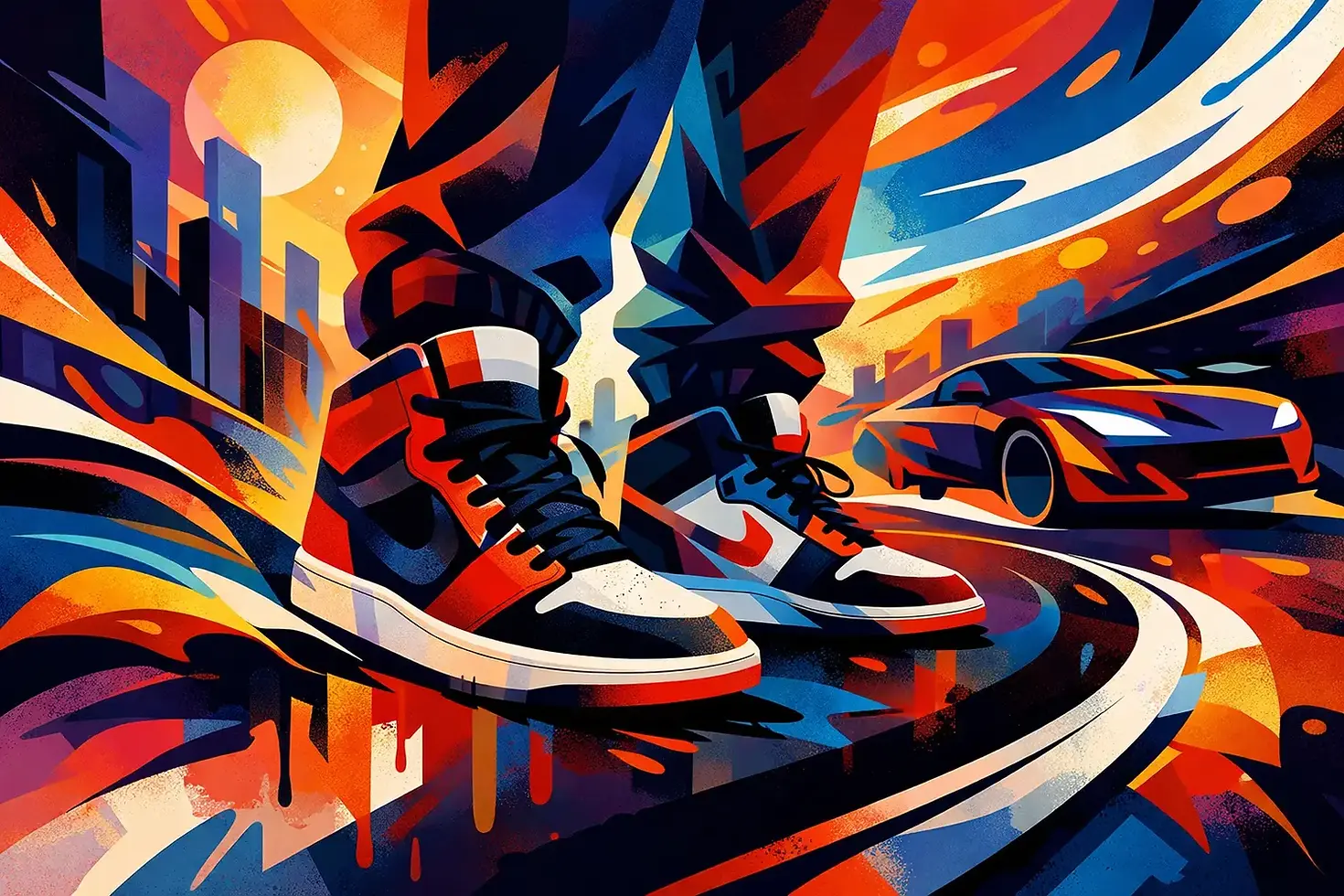
Road Drop Clothing Means More on the Street
- Julio Samuel Lopez
- Jul 8
- 6 min read
Some gear is made to fill a closet. Road drop clothing is made to mark a moment. A late ride through downtown. A warehouse set that ran past midnight. A meet spot under bad lights where half the crew knew your name and the other half knew your bike. That is the energy behind it - not just apparel, but proof you were there for the miles, the noise, and the story.
That distinction matters because plenty of brands sell motorcycle-inspired clothes, but not all of them carry road weight. Some pieces look the part and die the second the trend shifts. Road drop clothing lives differently. It borrows from riding, streetwear, city grit, and limited-release culture, then turns all of that into something more personal. You are not buying a blank tee with a graphic slapped on it. You are buying into a code.
What road drop clothing really means
At its core, road drop clothing is limited-release apparel built around motion, identity, and timing. The word drop comes from streetwear culture, where products arrive in controlled runs instead of sitting on a shelf forever. Add road to that formula and the meaning sharpens. Now the release is tied to rider life, asphalt culture, and the kind of people who treat the city like an open circuit.
That gives every piece a little more charge. It is not just about scarcity for its own sake. It is about context. A road drop hits harder when it feels tied to a season, a ride, a crew, a city, or a state of mind. Maybe it is a faded tee built for summer heat and gas-stop nights. Maybe it is a cropped jacket that feels right when the temperature drops and the group chat starts buzzing after dark. The point is not hype alone. The point is narrative.
Road drop clothing works best when you can feel the mileage in it, even before the first wear. The wash, the fit, the print, the cut, the pacing of the release - it all has to feel deliberate.
Why road drop clothing hits different
Most mass-market fashion tries to appeal to everyone. That is usually where it loses its pulse. Road drop clothing does the opposite. It narrows the lens. It speaks to riders, night runners, artists, and people who move through cities with a little more edge. That focus is what gives it heat.
There is also a built-in tension that makes it appealing. It has to look sharp off the bike but still feel honest to the road. Go too technical and it starts reading like stiff performance gear. Go too fashion-first and it loses credibility with anyone who actually rides. The sweet spot is where comfort, durability, and attitude meet.
That balance is harder than it looks. A heavyweight cotton tee can feel better and last longer, but in hot weather a lighter performance fabric may win. A vintage wash gives a shirt soul, but not every rider wants that broken-in look on every piece. Oversized cuts can feel modern and relaxed, but slim or cropped silhouettes may fit the scene better depending on the city, the crowd, and the bike. Good road drops understand that style is not one lane.
The DNA of a strong road drop
The best road drops do not scream. They signal.
A strong release usually starts with shape and fabric. Tees need the right weight. Jackets need structure without feeling costume-level stiff. Tanks and sports bras need to move clean, not just photograph well. Jeans need enough hold to look sharp and enough ease to wear all day. Nobody wants clothing that looks dangerous but feels fragile.
Graphics matter too, but they are not the whole game. A smart print can carry a collection, yet the real test is whether the piece still has value when the graphic is not front and center. That is where details come in - washed finishes, sharp typography, cuts that flatter without trying too hard, and color stories that feel pulled from real streets instead of trend forecasts.
Then there is timing. The drop itself is part of the product. If a release feels random, it lands flat. If it arrives with a clear mood and a reason to exist, people feel it. A road drop should feel like a dispatch from the edge of the city, not an inventory update.
Road drop clothing and belonging
This is the part outsiders usually miss. Limited apparel is never just about the fabric. It is about who sees it and knows what it means.
Road drop clothing creates belonging without forcing uniformity. That is a tricky line, and the best brands know how to walk it. You do not need every person in the crew wearing the exact same fit. What matters is a shared language. One person wears the faded tee. Another goes for the quick-dry shirt. Someone else throws on the denim jacket that looks better every time it catches dust and smoke. Different silhouettes, same signal.
That is why drop culture keeps pulling people in. It turns clothing into a marker of presence. You were part of that run. You caught that release. You know what season that graphic came from. You remember the ride, the event, the pop-up, the night. The clothes hold memory, and memory beats trend every time.
For a brand like Ungelöst MC, that crew energy is the whole point. The garment matters, but the inner circle around it matters more.
How to wear road drop clothing without looking forced
The fastest way to kill a strong piece is to over-style it. Road culture has always looked best when it feels lived in.
Start with one anchor item and let it breathe. If the tee has presence, let the jeans stay clean and easy. If the jacket carries the look, keep the layers under it simple. If the pants have a harder silhouette, do not stack another loud statement on top unless you know exactly what lane you are in. The point is confidence, not costume.
Texture usually does more work than excess graphics. Faded cotton, washed black denim, broken-in leather, worn silver, and beat boots can carry a fit farther than five competing logos ever will. That is especially true for riders who want gear that moves between the bike, the studio, the bar, and the morning after.
Fit is where personal style shows up. Boxy tees can work well with straighter denim and heavier shoes. Cropped jackets hit best when the proportions underneath are intentional. Performance tops belong in the mix too, especially in cities where the ride starts hot and ends hotter. The trick is to avoid treating utility like an afterthought. If it helps you move better and still looks sharp, it belongs.
What to look for before you buy
Not every limited release deserves your money. Hype can cover a lot of weak design.
Look at fabric first. If the hand feel is cheap, the story will not save it. Check the fit notes and think about how you actually dress, not how the campaign was styled. Pay attention to whether the piece can live beyond one night or one season. The strongest road drop clothing has repeat wear built into it. You should be able to throw it on for a ride, a show, a coffee run, or a dead-tired Sunday and still feel like yourself.
It also helps to read the drop itself. Is there a point of view, or just fake scarcity? Does the collection feel connected, or is it random product under a dramatic label? Real road culture has grit, but it also has clarity. You can tell when a brand understands the difference.
Price is where trade-offs get real. Premium materials, smaller runs, and sharper design usually cost more. That can be worth it if the piece earns rotation and holds its shape. But expensive does not automatically mean authentic. Sometimes the best buy is the simpler garment with better fabric and less noise.
Why this category keeps growing
People are tired of generic streetwear and tired of lifeless moto merch. They want clothing with some pressure in it. Something that feels local, limited, and rooted in an actual scene.
That is why road drop clothing keeps finding an audience. It gives people a way to wear motion without dressing like a billboard. It pulls from motorcycle culture without getting trapped in costume. It fits the city, the ride, the creative crowd, and the in-between hours when the best stories start.
The future of this space will probably get more layered, not less. More crossover between performance fabrics and street cuts. More women’s pieces that feel built from the same world instead of treated like side notes. More drops tied to real communities, not just marketing calendars. The brands that last will be the ones that keep the road in the design and the crew in the release.
If you are choosing road drop clothing, choose the pieces that still feel honest after the engine cools. That is usually where the real style starts.


Comments